TLDR
- Who: FUL, a spirulina-based beverage brand founded by Sara Guaglio, Christina, and Julia Streuli
- What changed: NUOPTIMA built 9 automated email flows, 30+ audience segments, and contextual sign-up forms that matched message to intent
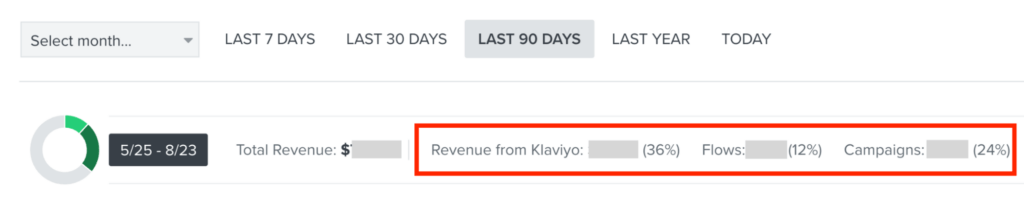
- The number: Email marketing drove 36% of FUL's total eCommerce revenue
36%
Email marketing revenue share
9
Email flows built
30+
Audience segments
About FUL
FUL is a consumer goods brand built around microalgae, with a specific focus on spirulina beverages. Co-founders Sara Guaglio, Christina, and Julia Streuli carved out a distinct niche in a category most brands had ignored.
FUL was already generating strong top-of-funnel traffic through SEO, with blog content pulling in large volumes of informational search visitors. The problem was conversion: their subscriber list was not turning into repeat customers, their sign-up forms were underperforming, and they had no automated email infrastructure to move people through the purchase journey. Their brand book was detailed and opinionated, so any email work had to hold up visually and tonally to their standards.
We also worked with FUL on SEO, covered in the FUL SEO case study, which explains how the organic traffic feeding this email program was built.
Who we were targeting
FUL's list was made up of subscribers at very different points in the relationship, from someone who had just landed on a blog post to a repeat customer worth twice the average lifetime value, so the program was built around matching each message to where that person actually was.
- Blog visitors in information-gathering mode, not buying mode, routed toward the product page rather than a discount pop-up once A/B testing showed that offer mismatched their intent.
- Subscribers who had signed up but never placed an order, the target of the 5-email Welcome Series, plus lapsed customers inactive for 60 or 180 days, targeted by dedicated Winback and Sunset flows.
- The top 15% of customers, identified through customer data as carrying 2x the lifetime value of a regular buyer and driving 50% of total brand revenue, given a dedicated VIP flow built around a free gift rather than a discount.
What we did
Sign-up forms
Before working with NUOPTIMA, FUL's sign-up forms converted at 0.9%. The forms were not optimized for mobile or desktop, and every page showed the same generic offer, regardless of where a visitor was in the funnel.
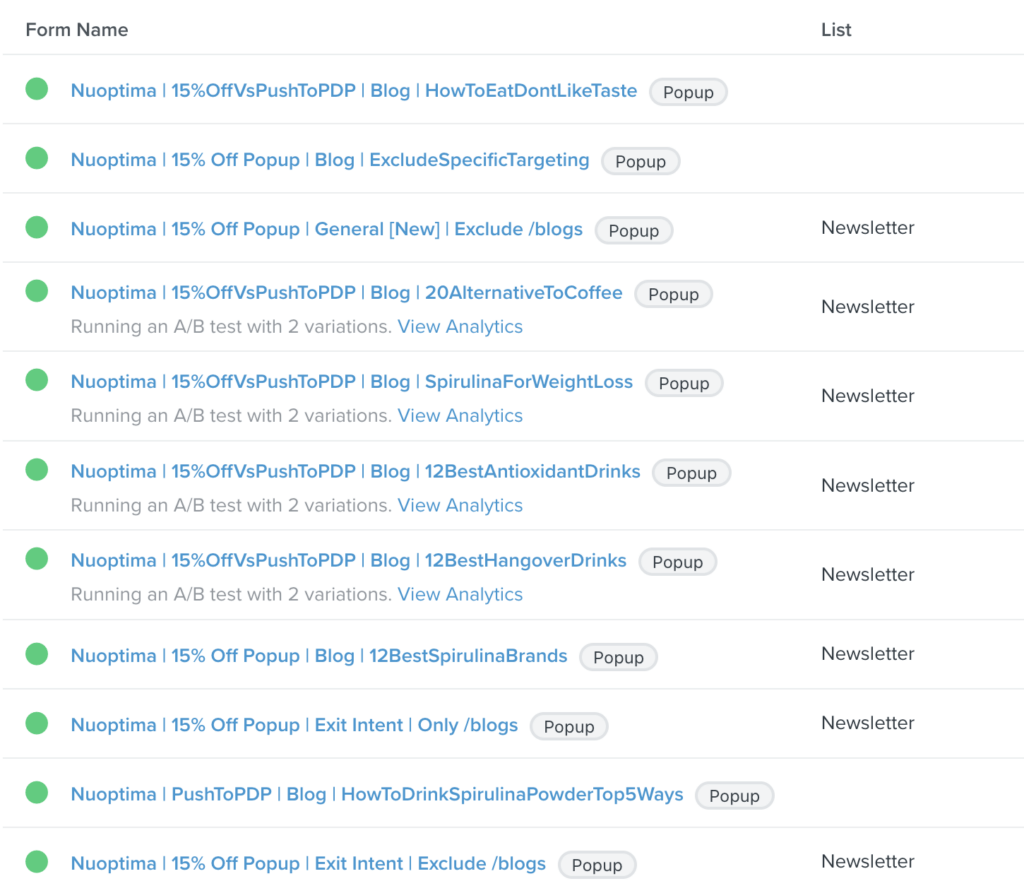
We deployed four distinct form types, routed by page context:
- 15% off first purchase with generic messaging (default product pages)
- 15% off first purchase with copy matched to the landing page context
- 15% off with exit intent trigger
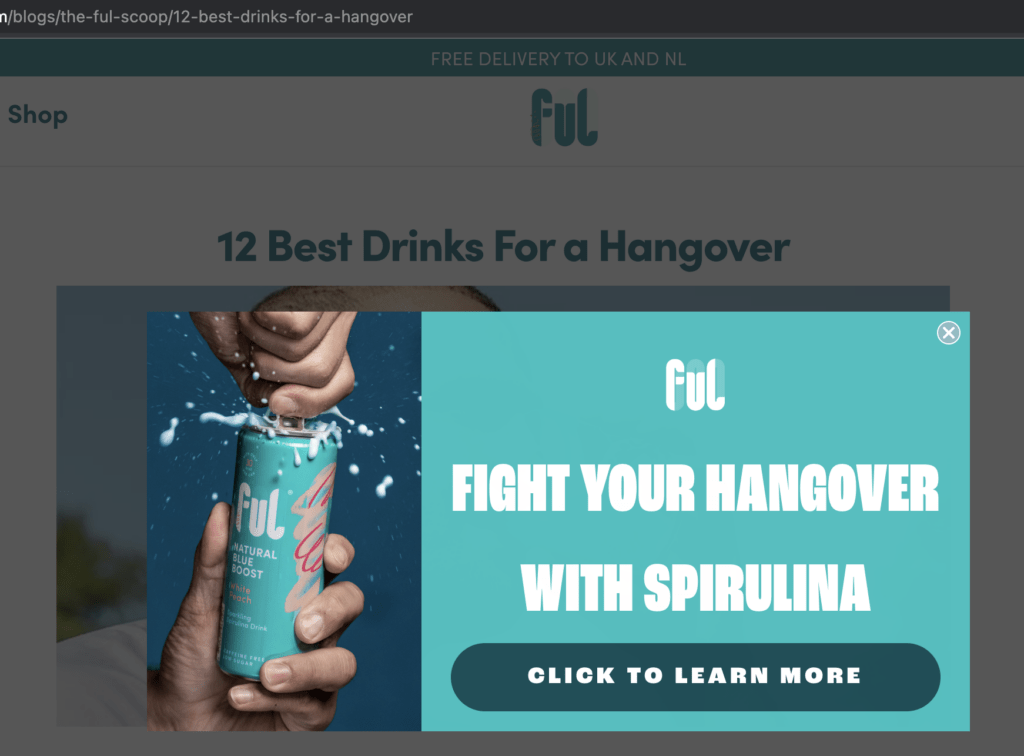
- Push to Product Page for high-intent blog visitors not ready to subscribe
Most brands run two to four pop-ups at a time. Typical NUOPTIMA-managed accounts run more than 20, each matched to a specific visitor context.
A/B testing blog traffic sign-ups
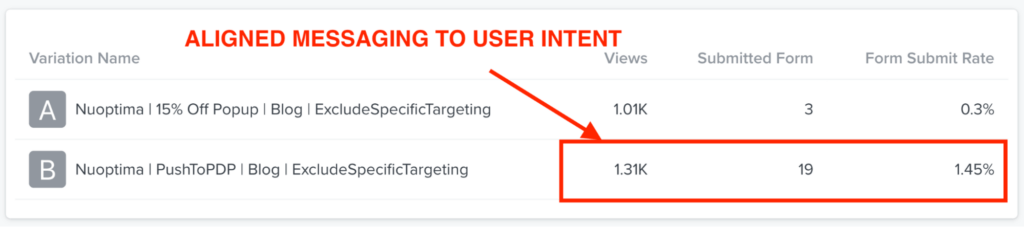
FUL's blog drove a large share of overall site traffic, but those visitors were in information-gathering mode, not buying mode. Presenting them with a 15%-off purchase offer was a mismatch. We ran an A/B test to confirm this: pushing blog visitors toward the product page outperformed capturing their email with a discount offer. The "Push to Product Page" pop-up moved visitors further down the funnel rather than trapping them at the top.
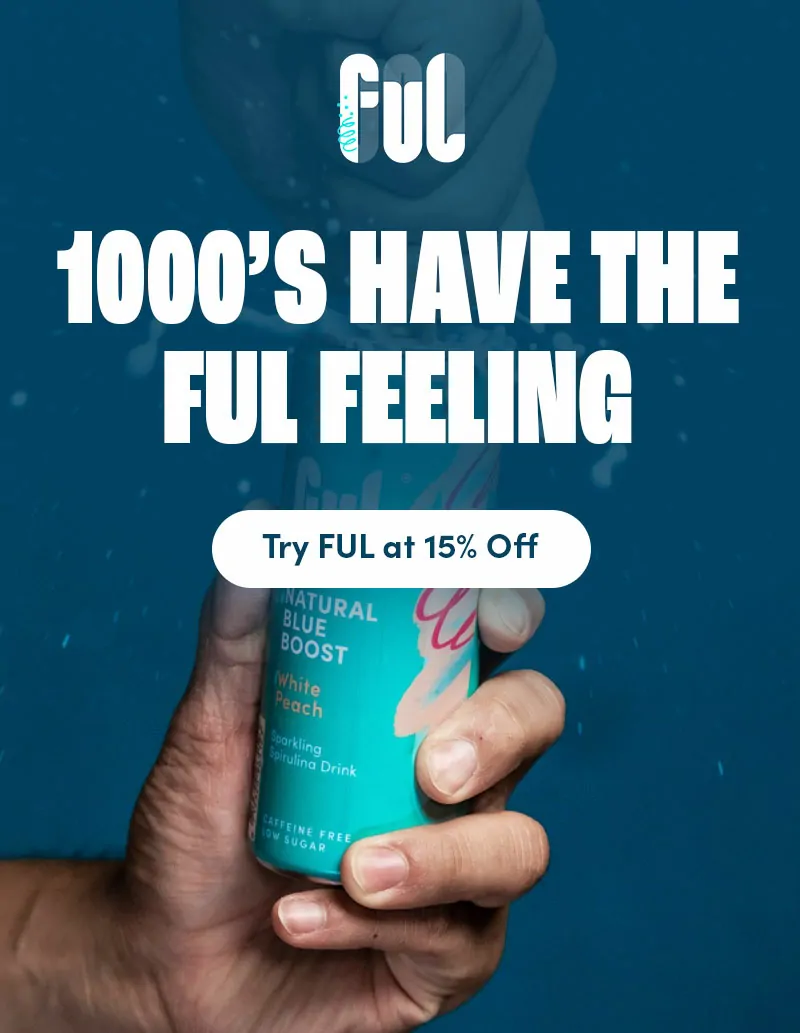
Below is an example of the contextual Push to Product Page pop-up used on FUL blog pages.
Automations and flows
We built 9 automated flows to send the right message to the right person at the right stage of the customer lifecycle.
| Name | Purpose |
| Welcome Series | Convert subscribers who have not yet placed an order |
| Browse Abandonment | Re-engage users who viewed the product page but did not add to cart |
| Cart Abandonment | Recover users who added to cart but did not complete checkout |
| Checkout Abandonment | Recover users who started checkout but did not complete it |
| Instant Upsell | Prompt a buyer to add an item to their order before it ships |
| Replenishment | Remind a customer after 30 days to restock their previous order |
| Winback | Re-engage customers who have not ordered in 60 days |
| Sunset | Give subscribers inactive for 180 days a chance to stay or unsubscribe |
| VIP Flow | Reward the most loyal customers with a free gift to build lifetime value |
Welcome series
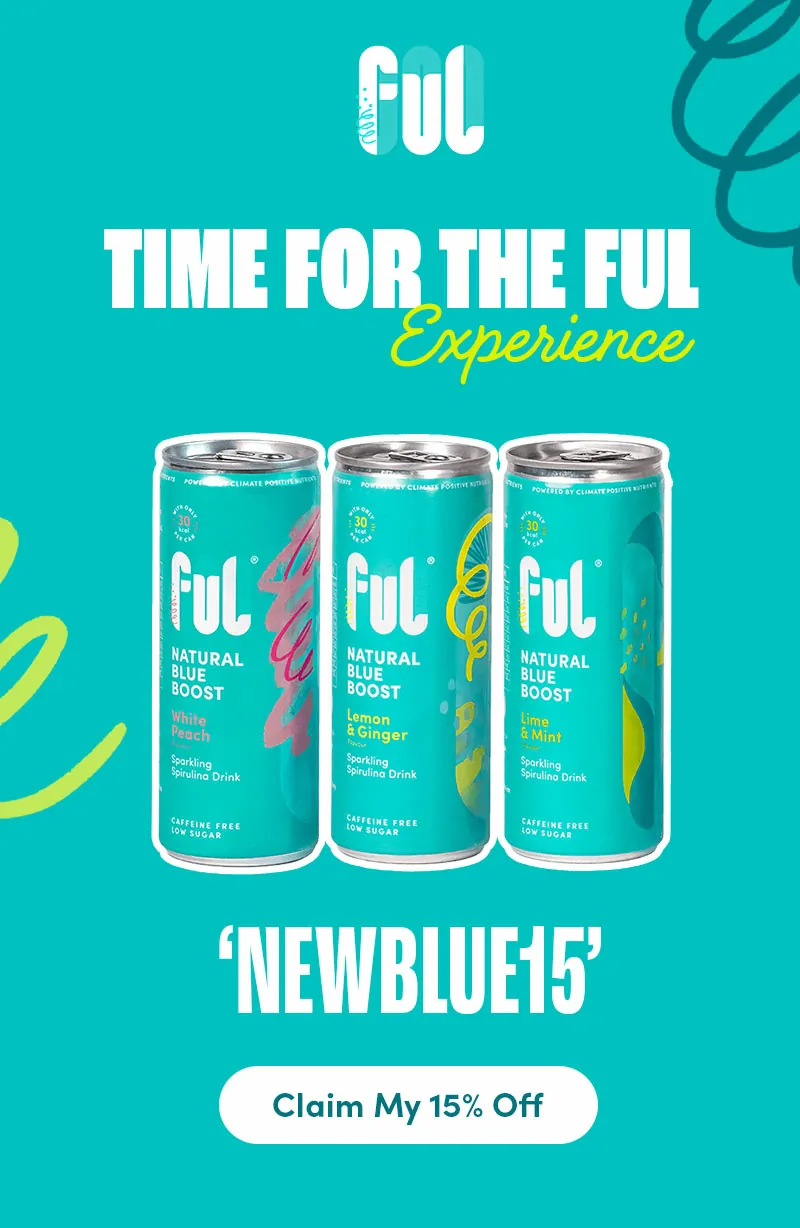
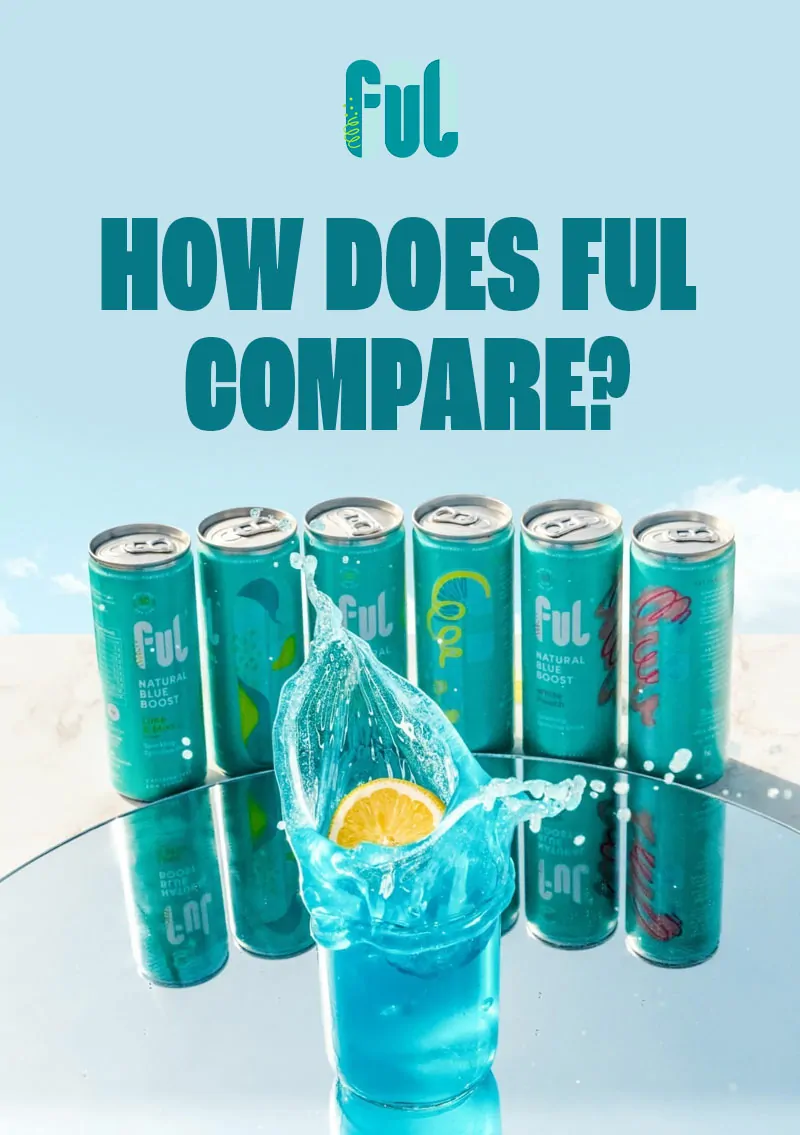
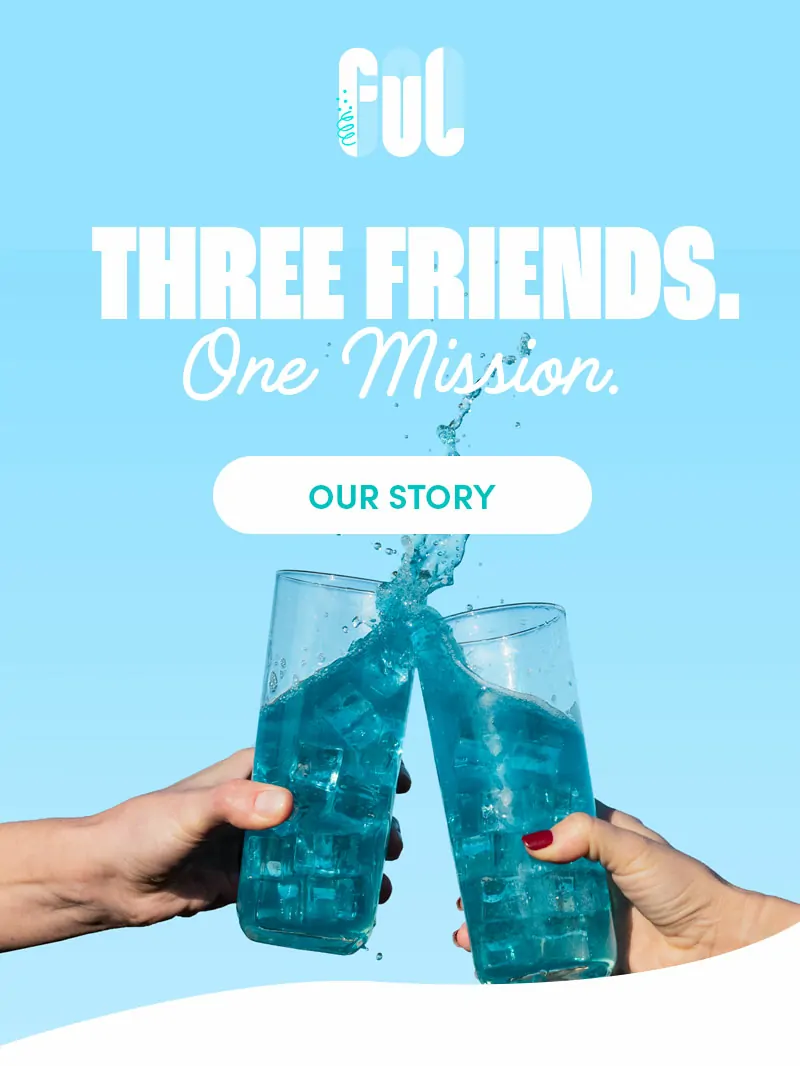
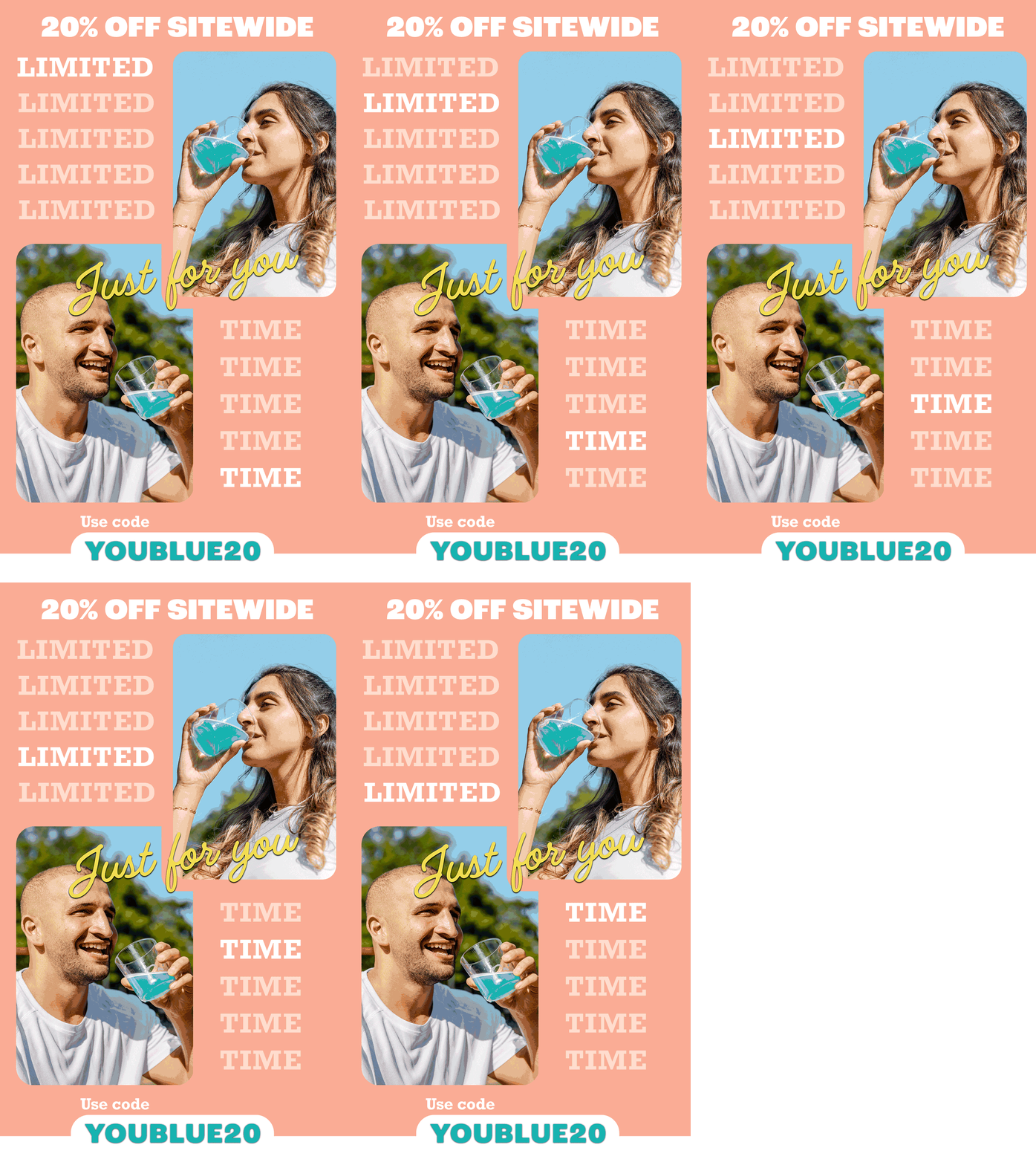
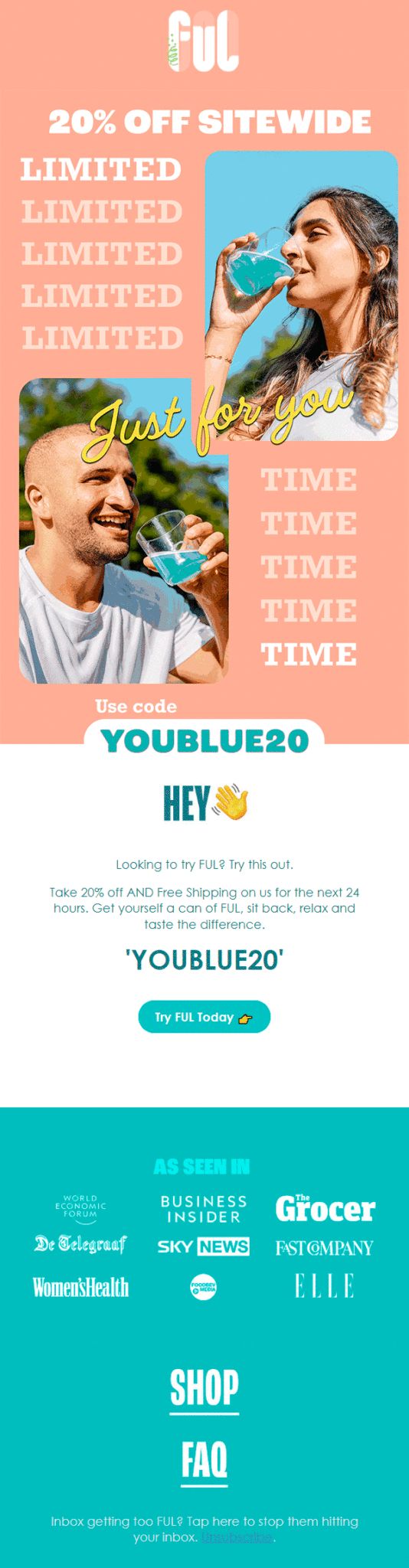
The Welcome Series was the third highest revenue-generating flow for FUL. Every new subscriber who had not yet placed an order entered a 5-email sequence introducing the brand, addressing purchase objections, and highlighting what set FUL apart from competitors. Because this flow sits highest in the funnel, it handles the largest volume of recipients and generates the most performance data.
Welcome Series Email Gallery
Click on each image to see the complete email design




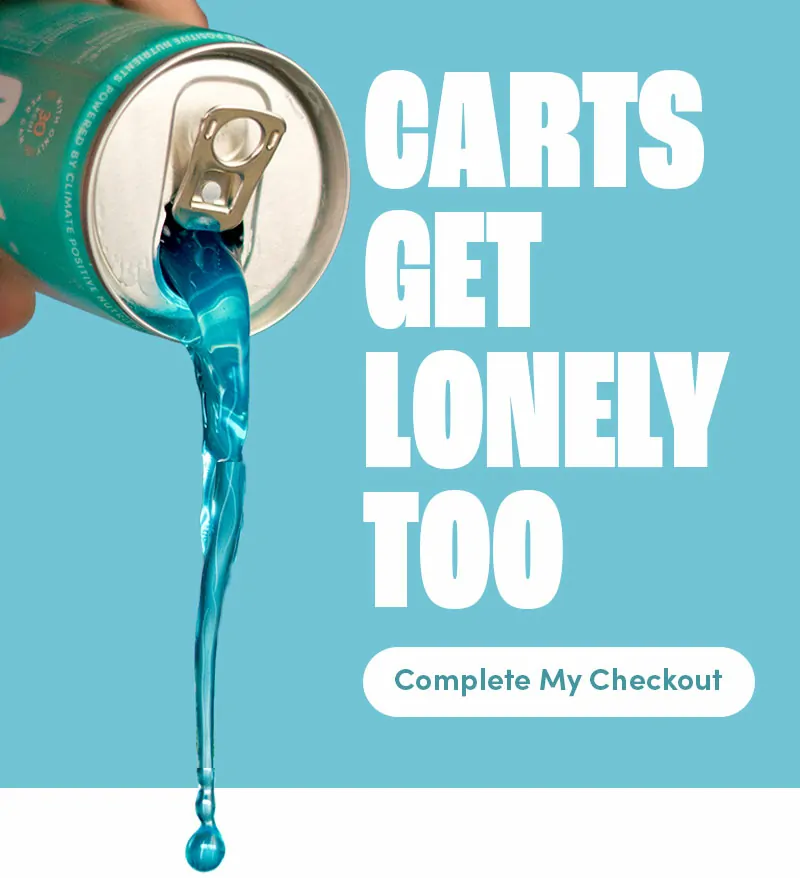
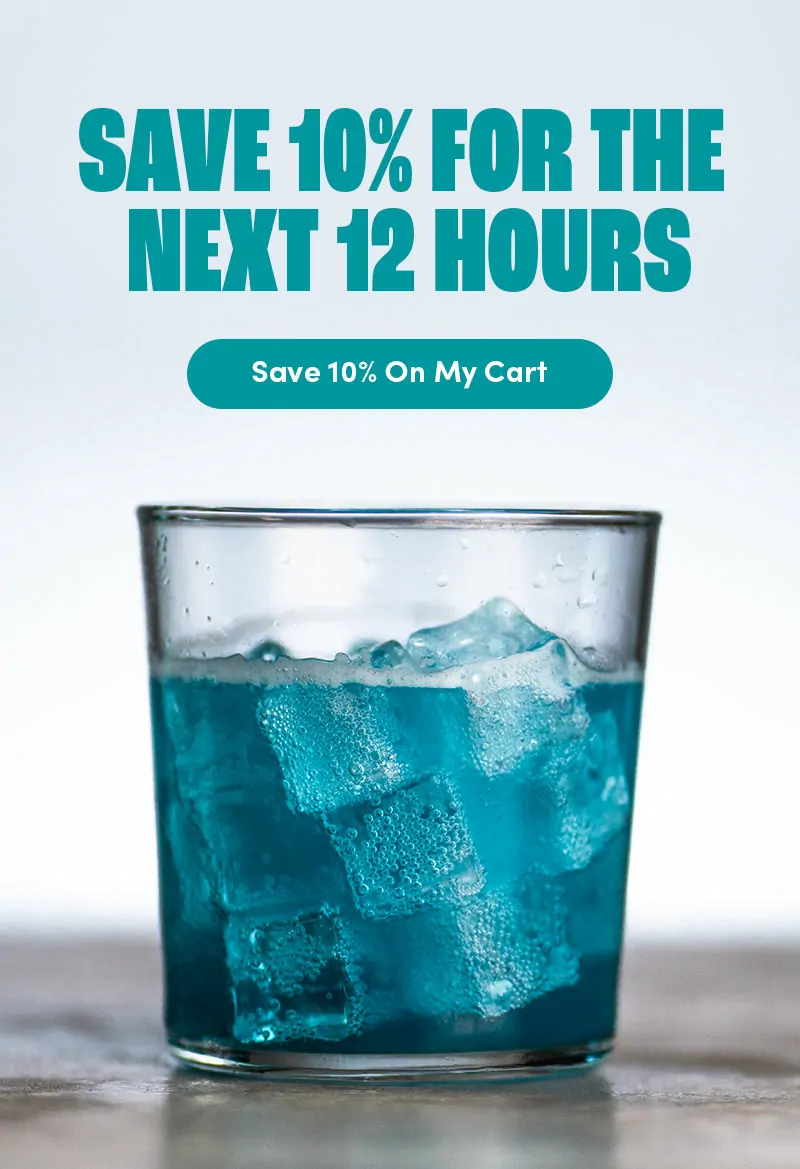
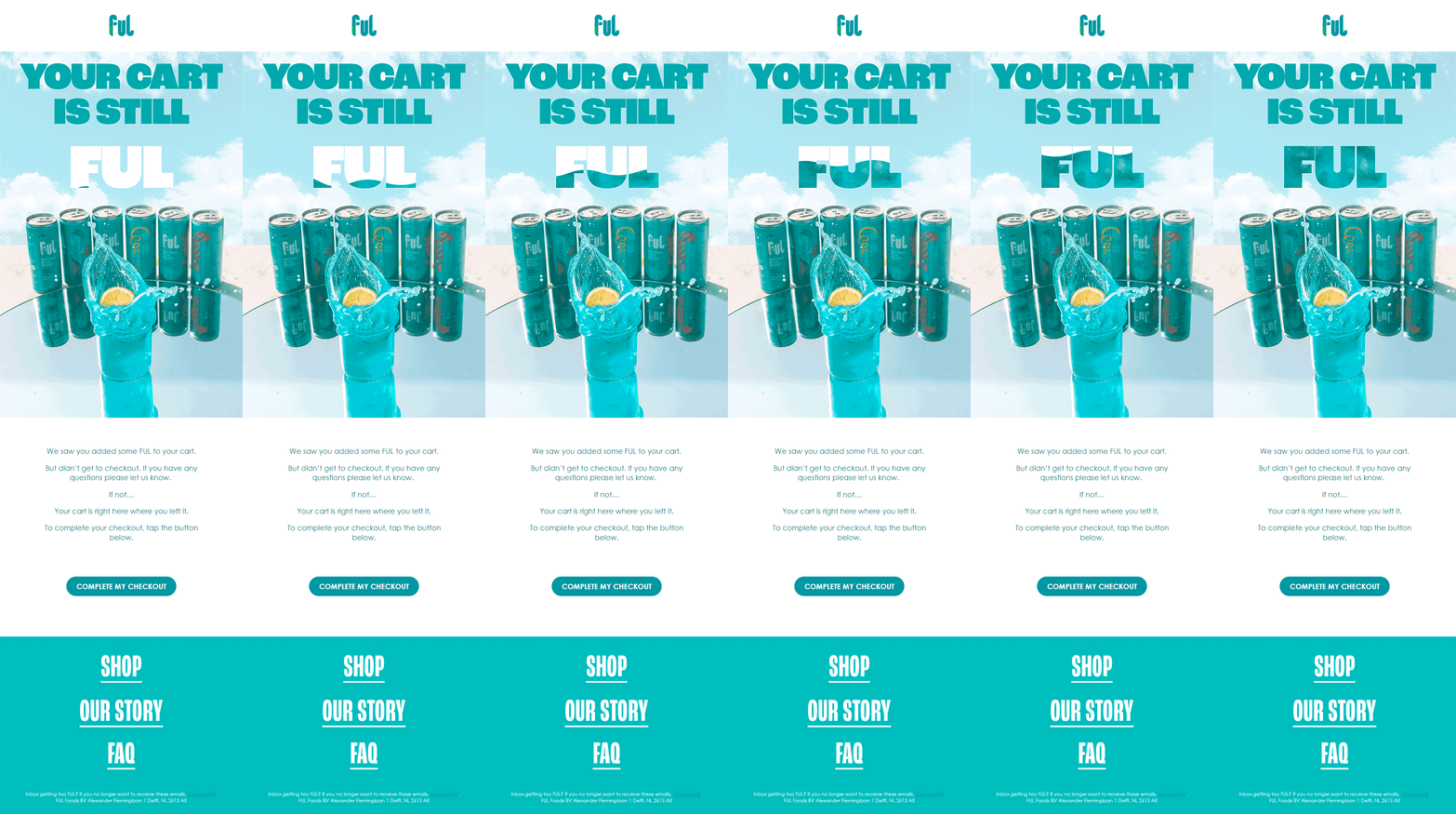
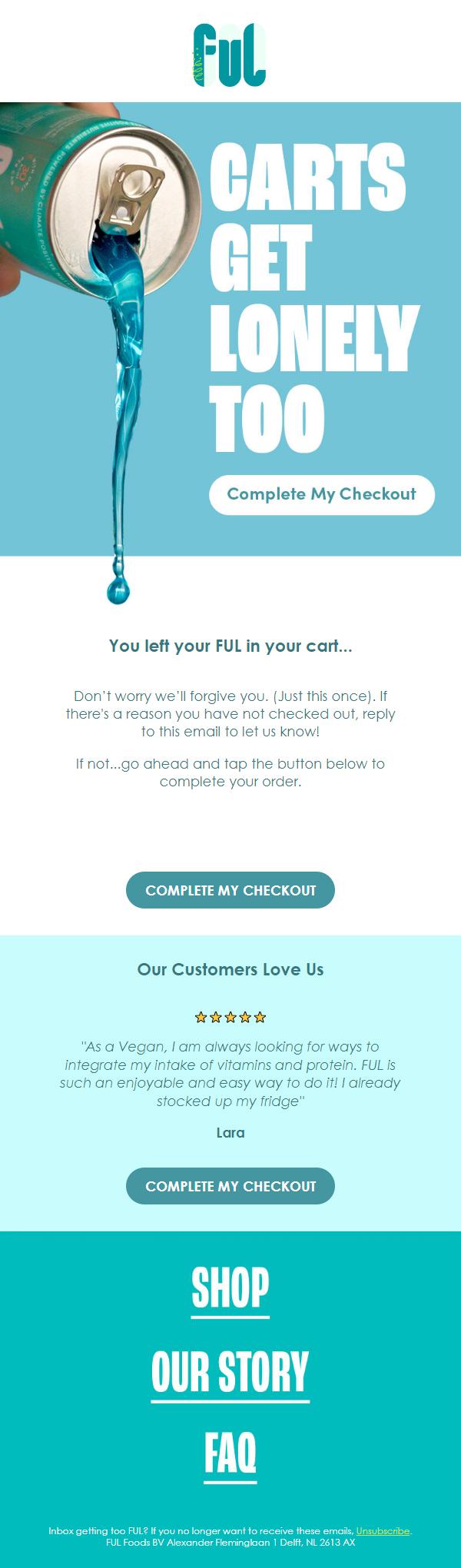
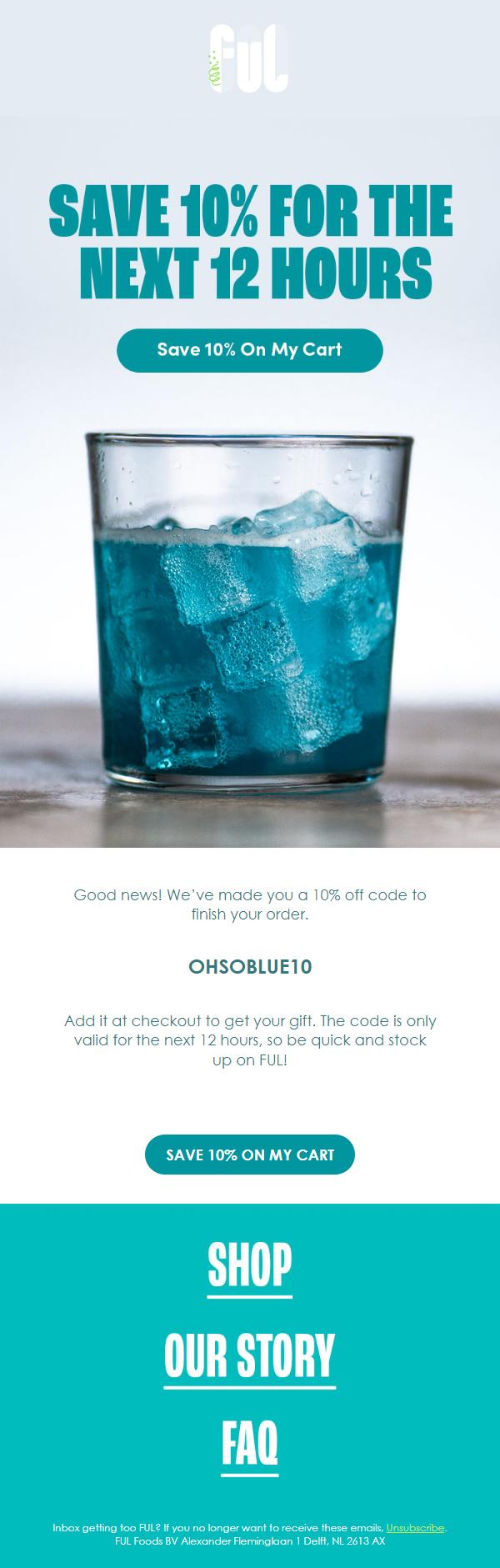
Checkout abandonment
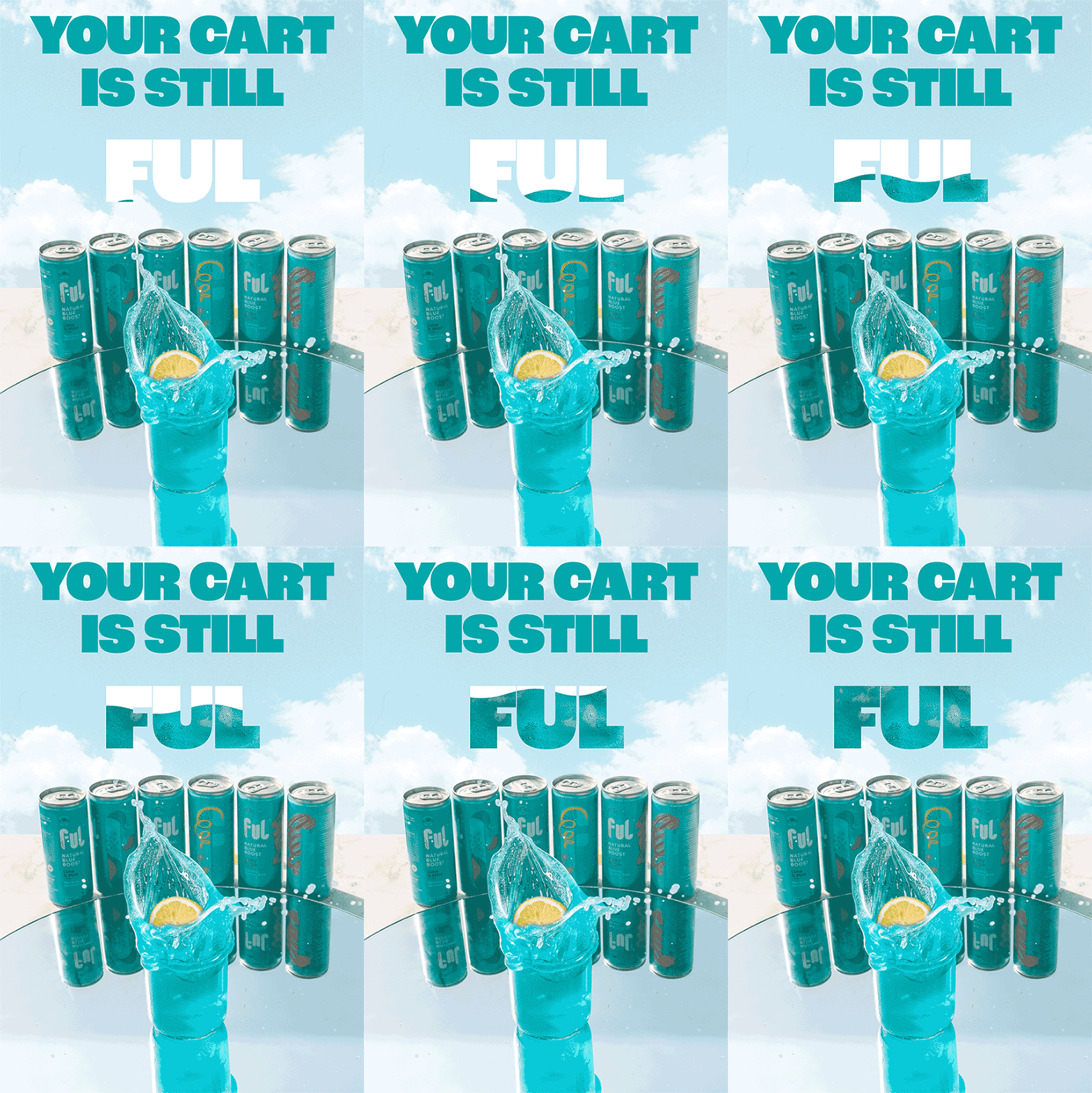
Cart abandonment runs above 50% for most eCommerce stores. FUL's rate was higher than average because shipping costs were revealed late in checkout, catching buyers off guard. We addressed this in two ways: first, by surfacing shipping information on the product page so there were no surprises; second, by launching a 3-email checkout abandonment flow. That flow recovered just over 10% more carts, using evocative product imagery in the first two emails and a time-limited discount in the third to overcome final objections.
Checkout Abandonment Email Gallery
Click on each image to see the complete email design
VIP series
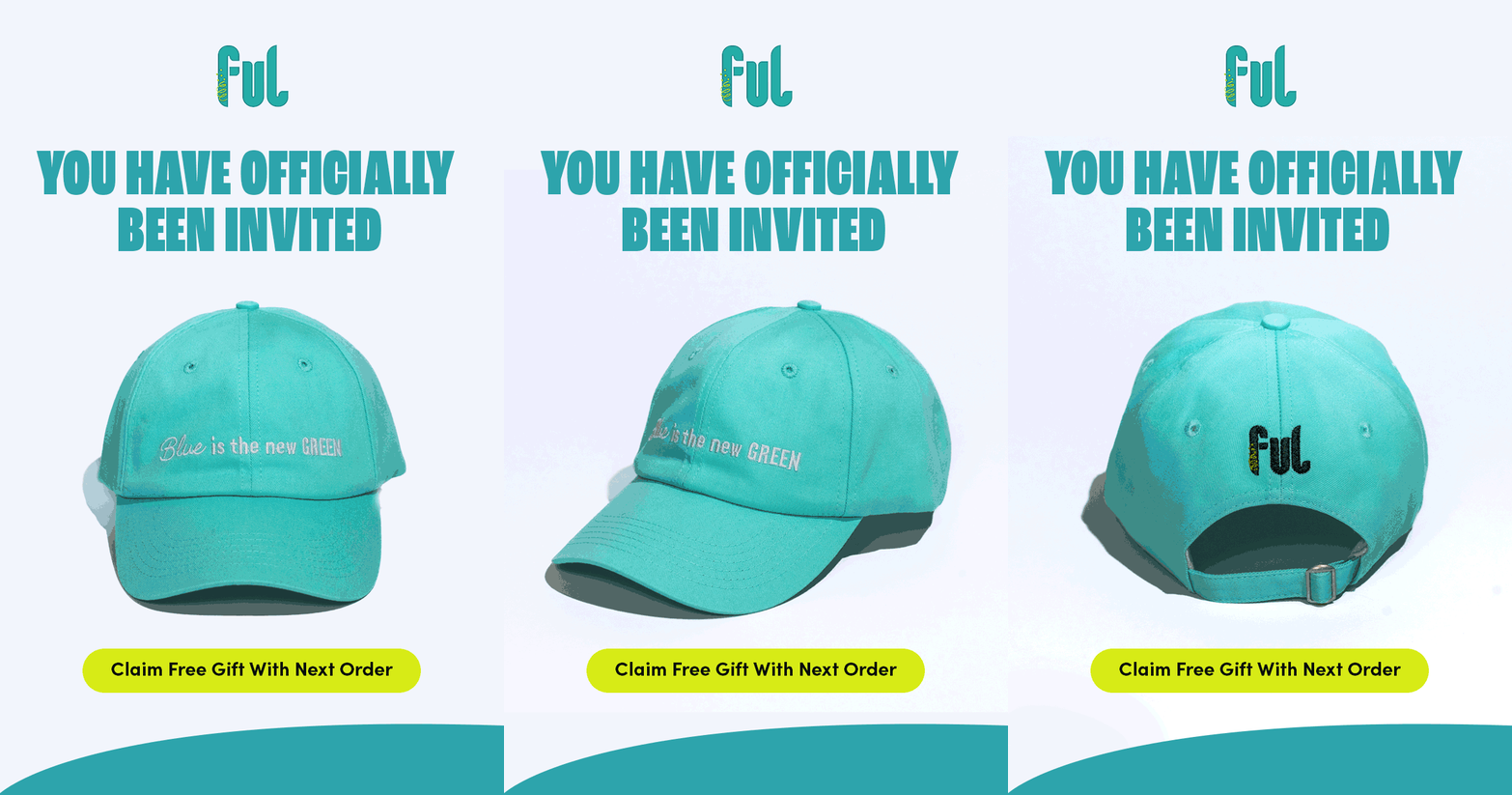
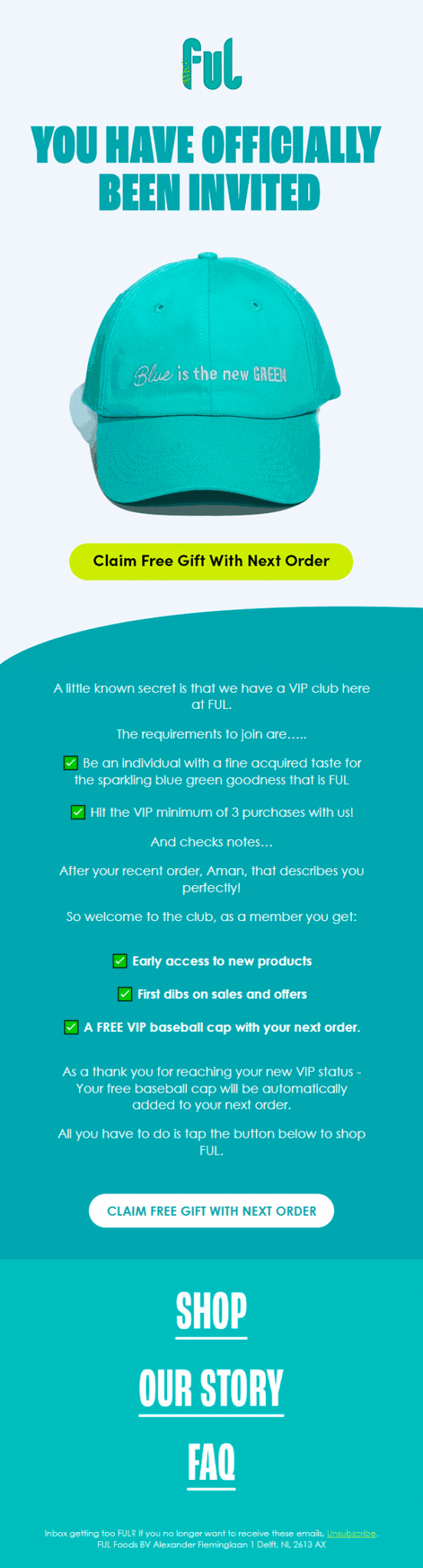
Analysis of FUL's customer data showed that 15% of their most loyal subscribers had a lifetime value 2x that of regular customers and accounted for 50% of total brand revenue. We built a dedicated VIP flow for this segment, centered on a free apparel gift, to deepen those relationships and extend their lifetime value further.
VIP Series Email Gallery
Click on each image to see the complete email design
Campaigns and segmentation
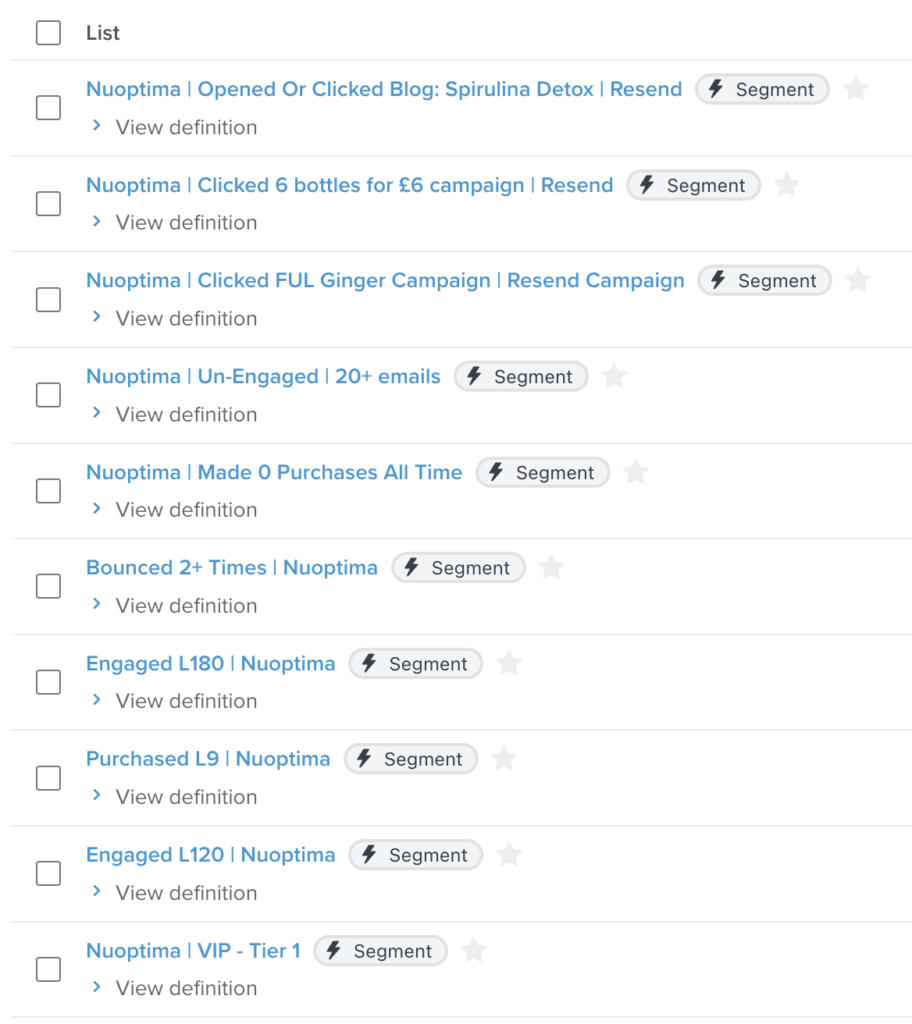
We built over 30 audience segments for FUL, covering engagement recency windows of 90, 120, and 180 days, plus purchase history, subscriber status, and VIP tiers. Sending to the right segment reduced unsubscribes and increased conversion rates. Campaigns ran approximately 6 per month and covered holiday promotions, brand-affinity content, and special offers.
Irresistible offer campaign
To convert non-purchasers from the subscriber list into first-time buyers, we tested a targeted introductory discount campaign against the hypothesis that price was the main barrier. The campaign converted 20+ new customers through precise email targeting.

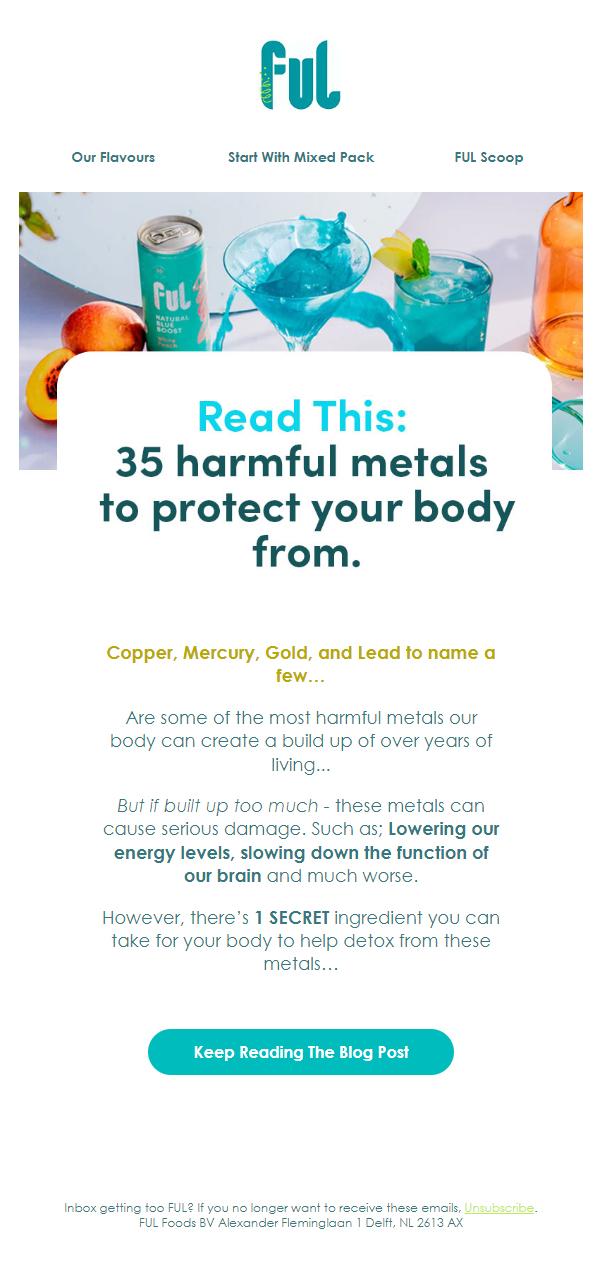
Blog post campaign
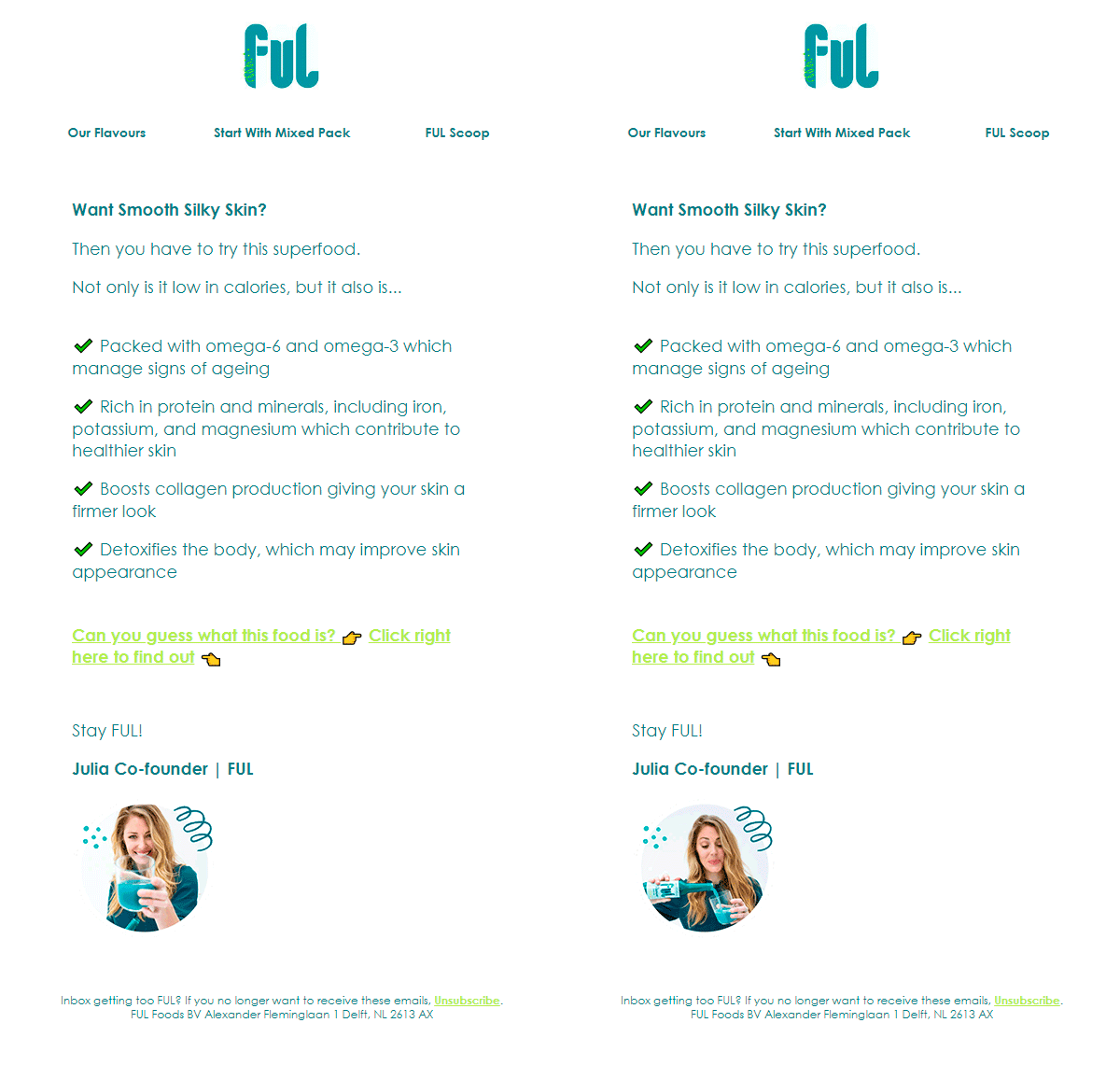
A large share of FUL's subscribers came through SEO-driven blog traffic, so we ran educational email campaigns that sent them back to high-performing blog posts. The emails did not push a sale; they re-engaged readers with useful content. Inside those blog pages, contextual calls to action drove purchases, generating $568 in revenue from a single campaign send without a discount.
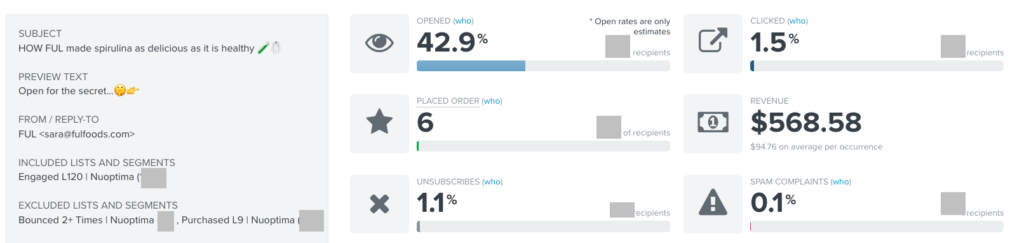
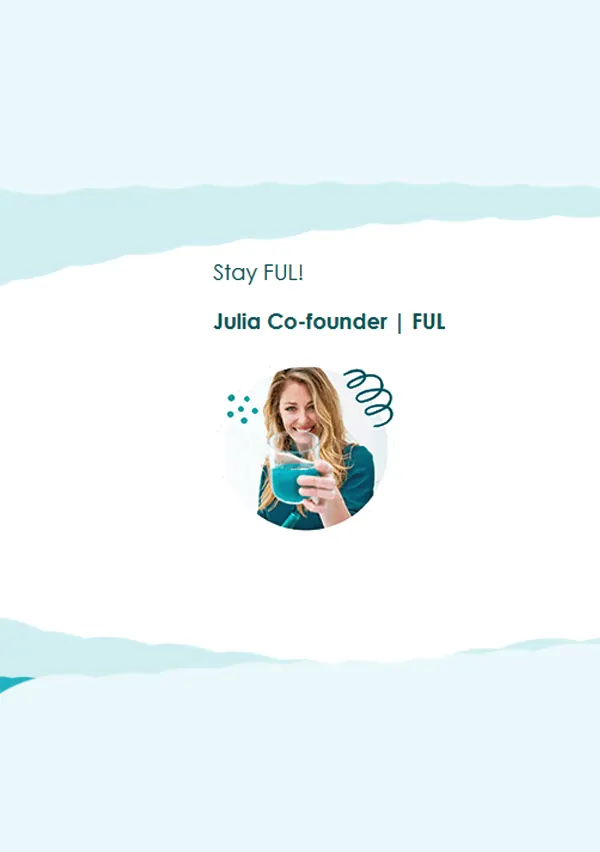
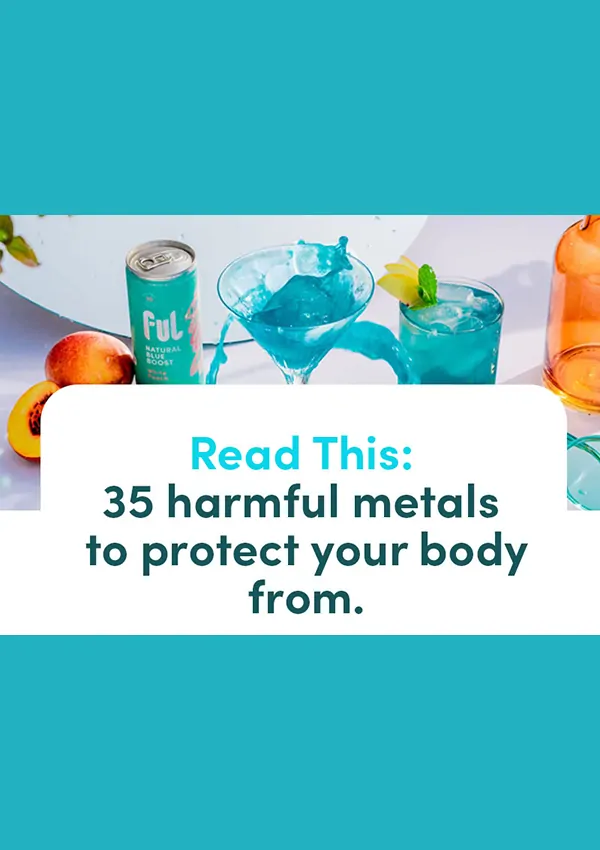
Blog Post Campaign Email Gallery
Click on each image to see the complete email design
Results
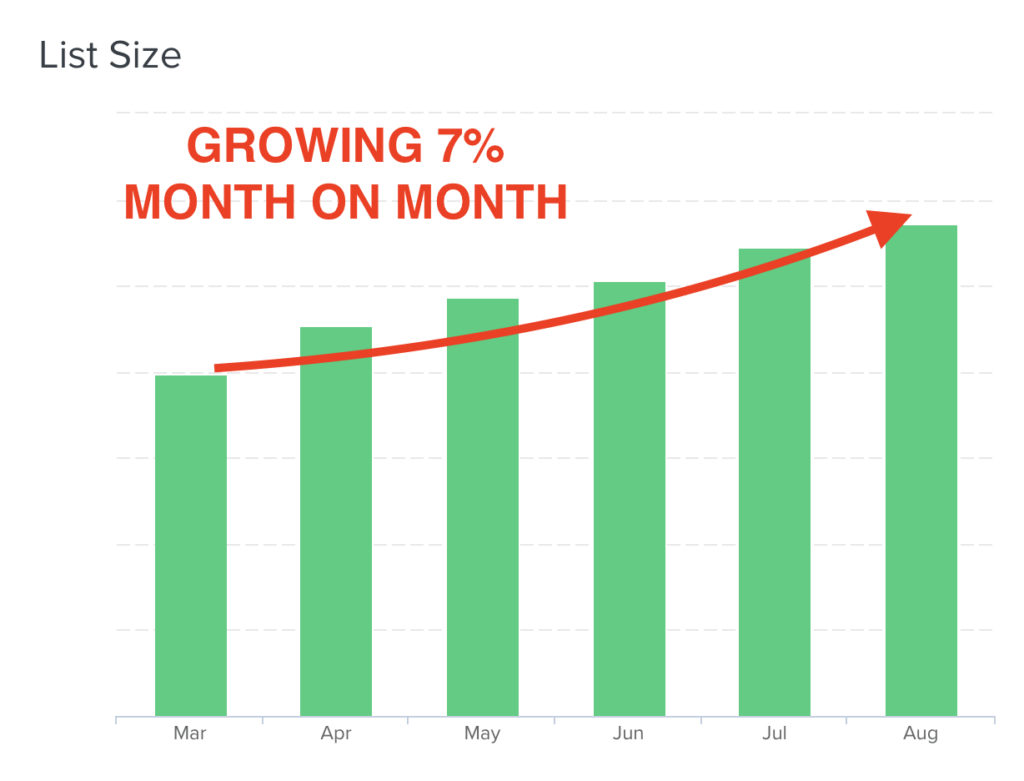
Across sign-up forms, automated flows, and campaigns, email grew to drive 36% of FUL's eCommerce revenue, accounting for 36% of total eCommerce revenue. The 9 flows covered the full customer lifecycle: acquisition through the Welcome Series, recovery through Checkout Abandonment (recovering just over 10% more carts), loyalty through the VIP flow targeting the 15% of customers who drove 50% of revenue, and re-engagement through Winback and Sunset sequences. The blog post campaign alone generated $568 from a single content-led send. The irresistible offer campaign converted 20+ new customers with no prior purchase history.
The VIP segment data is worth highlighting on its own: 15% of subscribers drove 50% of FUL's brand revenue, with a lifetime value 2x the average customer.
Key takeaways
- Match message to intent before asking for a sale. FUL's blog traffic was informational, and pushing a purchase pop-up at those visitors underperformed against a product-page redirect. A/B testing this assumption before scaling the form strategy avoided months of lost conversions. The same principle applies to any paid channel: audience intent at the moment of contact determines which offer actually converts.
- Lifecycle coverage compounds. A single welcome email is not an email program. Nine flows targeting every stage from first subscriber to 180-day lapsed buyer meant FUL captured revenue at points that would otherwise be invisible. The Checkout Abandonment flow alone recovered more than 10% of abandoned checkouts by addressing the shipping cost objection that was causing the drop-off in the first place.
- Your top 15% of customers are not the same as your average customer. FUL's VIP segment carried 2x the lifetime value of a regular buyer and generated 50% of total brand revenue. Building a dedicated flow for that segment with a free gift rather than a discount protected margin while strengthening the relationship. Identifying and treating your best customers differently is one of the highest-return moves in retention-focused growth.
If email is underperforming for your DTC brand, or you want to see what a full lifecycle program looks like in practice, book a call with NUOPTIMA or read the FUL SEO case study to see how organic traffic was built alongside the email program.
Team
FUL Team

Julia Streuli
Co-Founder and CEO

Sara Guaglio
Co-Founder